Emergency Fund vs Investing: What Should Come First for Australians?
Emergency Fund vs Investing: What Should Come First for Australians?

Introduction
One of the most common questions Australians ask once they start managing money more intentionally is simple but important: should I build an emergency fund first, or start investing right away?
Both options are essential for long-term financial health, but prioritising them in the wrong order can create unnecessary stress. In 2026, with inflation, volatile markets, and rising living costs, getting this decision right matters more than ever.
If you already track spending using budgeting apps in Australia , you’re well positioned to make a clear, structured choice.
What Is an Emergency Fund—and Why It Exists

An emergency fund is cash set aside specifically for unexpected events—job loss, medical costs, urgent repairs, or sudden travel. Its purpose is stability, not growth.
Most Australians aim for three to six months of essential expenses. This buffer prevents reliance on credit cards or personal loans during stressful periods.
Without this safety net, even small emergencies can derail progress and force poor financial decisions.
Why Investing Feels More Exciting Than Saving

Investing offers the potential for long-term growth and wealth building. Seeing money work for you through shares or ETFs can feel motivating and empowering.
Strategies like ETF investing for Australians make investing more accessible than ever.
However, investments fluctuate. If you’re forced to sell during a downturn to cover an emergency, losses become permanent.
The Risk of Investing Without an Emergency Fund

Investing without an emergency fund exposes you to behavioural risk. Market downturns combined with unexpected expenses can force selling at the worst possible time.
This is why many Australians who skip emergency savings end up disappointed with investing—even if their strategy was sound.
Establishing basic security first allows investments to remain untouched and recover naturally.
A Practical Priority Framework for Australians
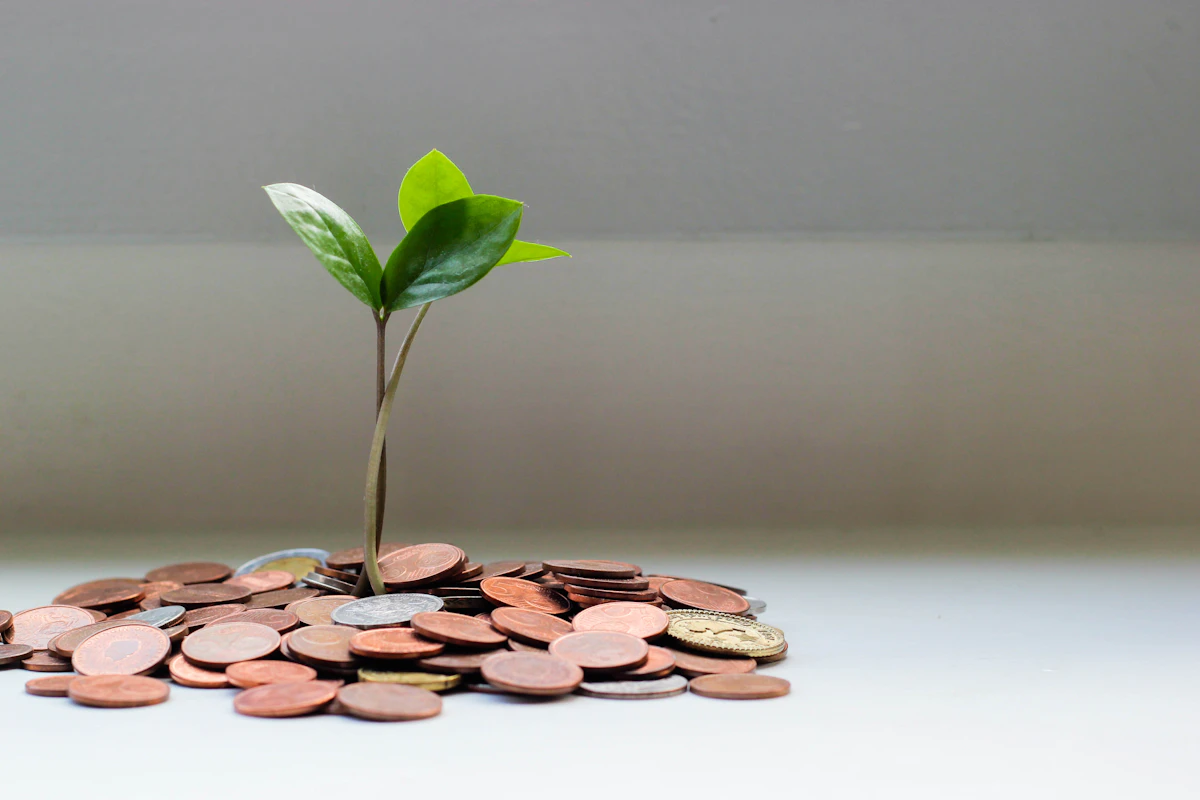
A simple, effective framework looks like this:
- Step 1: Build a starter emergency fund (1–3 months of expenses)
- Step 2: Eliminate high-interest debt using strategies like paying off debt faster
- Step 3: Begin investing while expanding your emergency fund to 3–6 months
This blended approach balances safety and growth.
How Inflation Affects This Decision

Inflation reduces the real value of cash, which is why holding excessive savings long term is inefficient.
However, inflation also increases the cost of emergencies. Australians who understand how inflation affects savings and investments often prioritise a “just right” emergency fund—enough for security, but not so much that growth stalls.
Common Mistakes to Avoid
Common mistakes include waiting for a “perfect” emergency fund before investing, or investing aggressively with no safety net.
Australians who learn from money mistakes in their 30s tend to adopt balanced strategies earlier.
Conclusion & Call to Action
The emergency fund versus investing debate is not about choosing one forever—it’s about choosing the right order.
By building a basic safety net first and then investing consistently, Australians can reduce stress while still capturing long-term growth.
Call to Action: Review your current savings and investments today. Identify whether your next dollar should buy safety—or growth—and allocate it with confidence.


Comments
Post a Comment